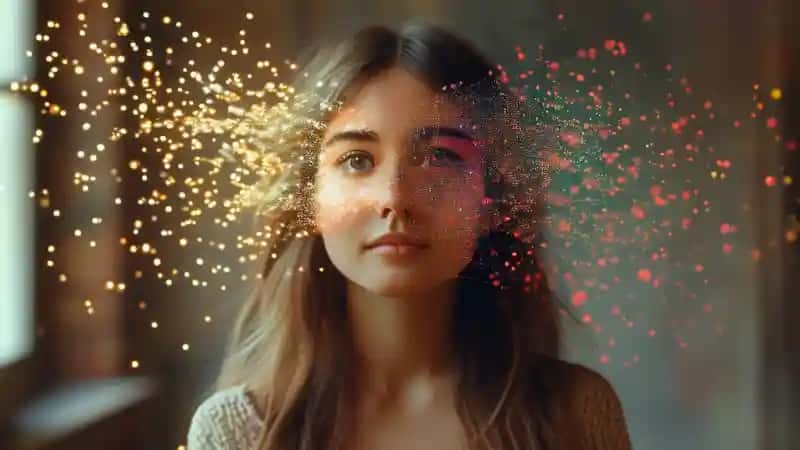
AI Portrait Generator: Features From a Photo
An AI portrait generator creates a new portrait from a reference photo or prompt. Compare likeness preservation, style and background controls, output resolution, usage rights, and privacy settings before choosing a tool.
## What features does an AI portrait generator have?
Typical features include likeness preservation, style and background controls, export options, and privacy settings. Check retention, training use, and commercial rights before you publish.
What features does an AI portrait generator have?
Typical AI portrait generator features include photo upload, likeness preservation, style and background controls, export options, and privacy settings. TaoImagine does this from one photo without a subscription. Check retention, training use, and commercial rights before you publish.
Based on 10+ years software development, 3+ years AI tools research
— Rutao Xu has been working in software development for over a decade, with the last three years focused on AI tools, prompt engineering, and building efficient workflows for AI-assisted productivity.
Most sit there, unviewed. Same poses. Same filters. Same forgettable snapshots.
An AI portrait generator transforms these ordinary images into something memorable—renaissance paintings, cartoon characters, fantasy heroes, vintage photographs. It's the technology that turns a casual selfie into wall-worthy art.
Key Takeaways
- An AI portrait generator turns an uploaded photo or text prompt into a new stylized portrait using a generative model; implementation details vary by provider.
- The features that matter most are likeness preservation, style range, output resolution, commercial-use rights, and privacy controls.
- Free tiers typically allow a small number of daily generations; paid plans remove limits and add higher resolution.
- Always check a tool's data-retention policy before uploading identifiable photos.
How Does AI Portrait Generation Work?
The process seems magical but follows predictable steps:
1. Face Detection
The AI first identifies facial features in your uploaded photo—eyes, nose, mouth, facial structure, skin tone, and expression. Modern systems can process multiple faces simultaneously for group portraits.
2. Style Analysis
The AI understands the visual patterns that define each style—color palettes, line weights, shading techniques, proportions.
3. Synthesis
The model generates a new image conditioned on the reference photo and requested style. Likeness can drift, especially with poor lighting, side angles, occlusion, or multiple faces, so compare the result with the source image.
4. Refinement
Advanced generators apply post-processing to ensure coherent lighting, consistent style application, and natural integration of facial features into the new artistic context.
Popular Portrait Styles
The most requested:
Royal/Renaissance Portraits: Transform yourself into aristocracy—ornate clothing, classical poses, gilded frames. Popular for gifts and unique profile pictures.
Cartoon/Pixar Style: Convert photos into animation-worthy characters. The 3D rendering style mimics major studio aesthetics.
Anime/Manga: Japanese animation style with characteristic large eyes, stylized features, and dramatic expressions.
Fantasy Themes: Knights, elves, wizards, and warriors. Transform into your favorite fantasy archetype.
Vintage Photography: 80s glamour shots, Victorian portraits, retro aesthetics with period-appropriate lighting and tones.
Pop Art: Bold colors, comic-book styling, and graphic design elements inspired by Warhol and Lichtenstein.
Technical Requirements
What do you need to get good results?
Photo Quality: Higher resolution inputs produce better outputs. Most generators work with smartphone photos, but professional shots yield superior detail.
Face Visibility: Clear, unobstructed face view works best. Heavy shadows, extreme angles, or occluded features (sunglasses, masks) reduce quality.
Lighting: Even lighting without harsh shadows helps the AI accurately detect features. Natural light or soft artificial light performs best.
Single vs. Multiple Faces: Most tools handle single portraits best. Group photos work but may have inconsistent results across faces.
AI Portrait Generator vs. Midjourney vs. DALL-E
How do dedicated portrait generators differ from general AI image tools?
| Feature | Portrait Generator | Midjourney | DALL-E |
|---|---|---|---|
| Learning Curve | None | Steep | Medium |
| Photo Upload | Built-in | Limited | Yes |
| Face Preservation | Optimized | Hit-or-miss | Medium |
| Style Selection | One-click | Prompt-based | Prompt-based |
| Time to Result | Seconds | Minutes | Seconds |
| Prompting Required | No | Yes | Yes |
General-purpose AI image tools can create portraits, but require detailed prompting skills and often struggle with face preservation. Dedicated generators optimize specifically for facial transformation.
Use Cases
Who uses AI portrait generators and why?
Personalized Gifts: Convert family photos into royal portraits, cartoon characters, or historical figures. Unique gifts that don't require artistic skill.
Social Media Profiles: Stand out with a distinctive profile picture that's clearly "you" but artistically elevated.
Memorial Artwork: Transform photos of loved ones into lasting artistic tributes.
Entertainment: Pure fun—seeing yourself as a medieval knight, anime character, or 80s rock star.
Professional Headshots: Some generators offer business-appropriate styles that enhance professional photos without going cartoonish.
Privacy Considerations
Uploading photos to AI services raises legitimate questions:
Processing Location: Where does the AI process your images? Cloud processing is standard, but some offer device-local options.
Data Retention: How long are photos kept? Responsible platforms delete originals after processing.
Training Usage: Are your photos used to train AI models? Opt-out options matter.
Third-Party Sharing: Is your image data shared with other companies? Clear policies matter.
A face photo is personal data. Under UK GDPR it becomes biometric data when specific technical processing is used for unique identification or authentication.
Even when a portrait tool is not identifying you, check retention, training use, sharing, and deletion before uploading.
Commercial and Legal Considerations
If you plan to use generated portraits commercially:
License Terms: Free tiers often restrict commercial use. Review terms before printing merchandise or using in marketing.
Celebrity/Character Likeness: Transforming your photo into a specific character or celebrity may raise IP issues depending on jurisdiction and use.
Ownership: Who owns the generated image? Policies vary. Some platforms grant full rights; others retain partial claims.
The core feature set separates useful tools from novelties. Look for these:
Likeness Preservation: The generator detects your facial structure and keeps you recognizable across styles. This is the baseline feature—without it, results are generic faces, not portraits of you.
Style Library: A range of looks—professional headshots, artistic paintings, cartoon, fantasy—applied to the same source photo. More styles mean more usable outputs from one upload.
Customization Controls: Adjust background, clothing, lighting mood, or expression after generation. Basic tools offer presets; advanced ones accept text instructions.
Output Resolution: Downloads suitable for LinkedIn, print, or ID photos—not just compressed previews.
Batch Generation: Multiple variations per upload, so you can pick the strongest result instead of regenerating.
Privacy Controls: Clear deletion policies for uploaded photos, and no reuse of your face for training without consent.
Free Trial: A no-cost sample generation shows real output quality before you pay.
A generator missing likeness preservation or privacy controls is not ready for professional use—no matter how good the demo images look.
Quality Indicators
How to identify a good AI portrait generator:
Face Preservation: Your features should be recognizable in the output. Poor generators lose likeness.
Style Consistency: The entire image should feel cohesive—not like a face pasted onto artwork.
Resolution: Output should be suitable for printing, not just social media thumbnails.
Processing Speed: Generation time varies by model, queue, resolution, and number of variations. Treat a demo speed as provider-specific rather than a quality guarantee.
Free Samples: Legitimate tools let you try before committing to paid features.
The Technology's Future
Current limitations—occasional artifacts, inconsistent group photos, style restrictions—are engineering challenges, not fundamental barriers.
Expect video transformation (animated portraits), real-time generation (live filters), and increasingly photorealistic outputs that blur the line between photography and digital art.
The technology democratizes artistic transformation. What once required commissioning an artist now takes seconds and costs little or nothing.
Quick answer: what an AI portrait generator does
An AI portrait generator is software that analyzes a reference photo, identifies facial features, and synthesizes a new image in a chosen visual style.
It is useful for creative experiments, gifts, and profile images, but the output is still an AI-generated interpretation rather than a documentary photograph.
The best results come from a clear, well-lit reference image and a tool that states how long it keeps uploads, whether it trains on them, and what usage rights apply to the result.
Before publishing a generated portrait, check three things: the person is recognizable, the image does not imply an event or credential that never happened, and the tool's privacy and commercial-use terms match the intended audience.
For employment, identity, or regulated contexts, disclose meaningful AI alteration and keep an original photograph available when authenticity matters.
Related Reading
Sources

TaoImagine
Turn Every Snap into a Masterpiece
Frequently Asked Questions
1What is an AI portrait generator?
An AI portrait generator creates a new portrait from a reference photo or text prompt. It may offer artistic, cartoon, fantasy, or professional styles, but likeness preservation varies and the result should be reviewed against the source image.
2How does AI portrait generation work?
This process typically takes seconds.
3Is AI portrait generation free?
Pricing varies by provider. Some tools offer a limited trial or credits, while paid options may change resolution, watermarks, generation volume, or commercial-use terms. Check the current product page instead of relying on an old daily quota.
4Are my photos safe with AI portrait generators?
Photo handling varies by provider. Before upload, read the privacy policy for retention, deletion, model-training use, security, subprocessors, and account controls; do not assume every reputable service deletes an original immediately.
5What is the best AI portrait generator?
There is no universal best AI portrait generator. Compare results on your own reference photo, likeness, controls, resolution, privacy, usage rights, price, and disclosure needs. Use TaoImagine’s canonical product page for its current features rather than unsupported rankings.